Many English learners and even native speakers get confused between worshiping and worshipping because both spellings appear in books, websites, newspapers, and social media posts.
When people see two different spellings of the same word, they often wonder which one is correct. The good news is that both forms are correct. The difference mainly comes from the type of English being used.
Understanding this small spelling difference can help you write more confidently and avoid confusion in school, work, and everyday communication.
Quick Answer
- Worshiping is the preferred spelling in American English.
- Worshipping is the preferred spelling in British English.
- Both words have the same meaning.
- Both are forms of the verb worship.
- Neither spelling is wrong.
- Choose the spelling that matches the English style you are using.
Examples:
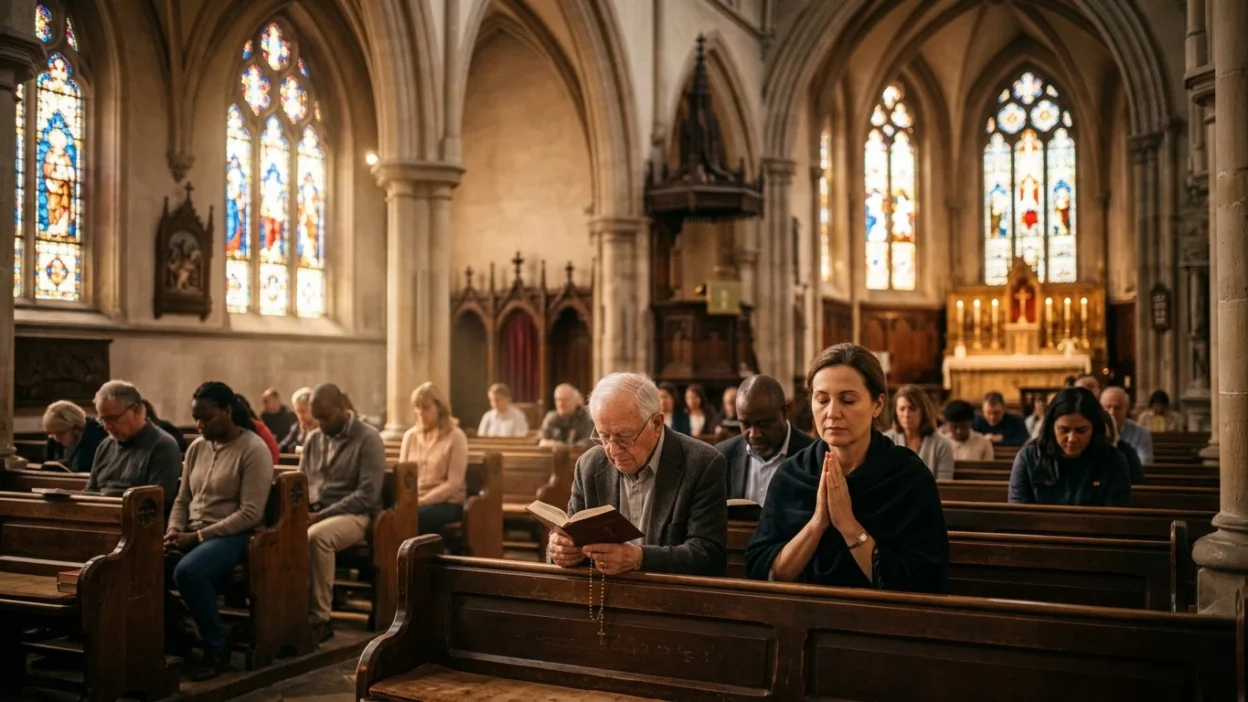
- American English: People are worshiping in the church.
- British English: People are worshipping in the church.
Both sentences are correct.
Origin and Background of the Word
The word worship has been part of the English language for many centuries. It is commonly used to describe showing love, honor, respect, or devotion to God or a religious figure.
As English developed in different parts of the world, some spelling differences appeared. One major difference is between American English and British English.
American English often prefers simpler spellings, while British English sometimes keeps traditional spelling patterns.
This is why the word can appear as:
- Worshiping
- Worshipping
The meaning stays exactly the same.
Understanding the Difference
The difference is not about meaning. It is only about spelling.
Worshiping
Worshiping uses one “p.”
This spelling is commonly used in:
- The United States
- American schools
- American newspapers
- American businesses
Example:
Many people are worshiping together this morning.
Worshipping
Worshipping uses two “p” letters.
This spelling is commonly used in:
- The United Kingdom
- Australia
- New Zealand
- Many countries that follow British English
Example:
Many people are worshipping together this morning.
Same Meaning
Both words mean:
- Showing devotion to God
- Taking part in religious activities
- Expressing respect and honor
There is no difference in meaning, pronunciation, or grammar.
Comparison Table
| Feature | Worshiping | Worshipping |
| Meaning | Same meaning | Same meaning |
| Correct spelling? | Yes | Yes |
| American English | Preferred | Less common |
| British English | Less common | Preferred |
| Pronunciation | Same | Same |
| Grammar | Same | Same |
| Formal writing | Correct in American English | Correct in British English |
| Everyday use | Common in the USA | Common in the UK |
Which One Should You Use and When?
The best choice depends on your audience and the type of English you are using.
Use Worshiping When
- Writing in American English
- Studying in the United States
- Following American style guides
- Writing for an American audience
Examples:
- We are worshiping together today.
- She enjoys worshiping every Sunday.
- They are worshiping in the community center.
Use Worshipping When
- Writing in British English
- Studying in the United Kingdom
- Following British spelling rules
- Writing for a British audience
Examples:
- We are worshipping together today.
- She enjoys worshipping every Sunday.
- They are worshipping in the community centre.
Important Tip
Do not mix the two spellings in the same document. Pick one style and use it consistently.
Common Mistakes People Make
Many learners make small mistakes when using these words.
Changing the Meaning
Some people think the words have different meanings.
Incorrect idea:
Correct idea:
- Both mean exactly the same thing.
Mixing American and British English
Example:
- Today we are worshiping together.
- Tomorrow we will continue worshipping.
This is not ideal because it mixes spelling styles.
Thinking One Is Wrong
Many students believe one spelling is incorrect.
In reality:
- Worshiping is correct.
- Worshipping is correct.
The choice depends on the English style.
Adding Extra Letters by Guessing
Some learners randomly add or remove letters without checking the style they are using.
Always remember:
- American English usually prefers worshiping.
- British English usually prefers worshipping.
Everyday Real Life Examples
In Emails
American English:
Thank you for worshiping with us this weekend.
British English:
Thank you for worshipping with us this weekend.
In News Articles
American English:
Thousands of people are worshiping during the holiday celebration.
British English:
Thousands of people are worshipping during the holiday celebration.
On Social Media
American English:
We are worshiping together tonight.
British English:
We are worshipping together tonight.
In School Writing
American English:
The community was worshiping peacefully.
British English:
The community was worshipping peacefully.
In Daily Conversations
American English:
“Are they worshiping at the church today?”
British English:
“Are they worshipping at the church today?”
A Simple Learning Guide for Students and Beginners
A very easy way to remember the difference is to think about the country.
Remember This Rule
America = One P
- Worshiping
Britain = Two Ps
- Worshipping
Easy Memory Trick
Think of it like this:
- American English likes shorter spellings.
- British English often keeps double letters.
So:
- Traveling → American English
- Travelling → British English
And similarly:
- Worshiping → American English
- Worshipping → British English
Practice Sentences
Fill in the blank with the spelling that matches American English:
- We are _______ together today.
- She enjoys _______ every weekend.
- They were _______ at the church.
Answers:
- worshiping
- worshiping
- worshiping
Now change them to British English:
- worshipping
- worshipping
- worshipping
FAQ
Is worshiping correct?
Yes. Worshiping is correct and is commonly used in American English.
Is worshipping correct?
Yes. Worshipping is correct and is commonly used in British English.
Do worshiping and worshipping mean different things?
No. They have exactly the same meaning.
Which spelling is more common in the United States?
Worshiping is generally more common in American English.
Which spelling is more common in the United Kingdom?
Worshipping is generally more common in British English.
How do I know which one to use?
Use the spelling that matches the English style you are following.
Can I use both spellings in the same article?
It is better not to. Choose one style and use it consistently.
Is the pronunciation different?
No. Both words are pronounced the same way.
Conclusion
The confusion between worshiping and worshipping comes from differences between American and British English spelling rules. Both words are correct, both have the same meaning, and both are pronounced the same way.
If you are writing in American English, worshiping is usually the preferred choice. If you are writing in British English, worshipping is usually preferred.
The most important thing is consistency. Once you choose a spelling style, use it throughout your writing. By remembering this simple rule, you can confidently use either word without confusion.